Part of the blog series: Hidden Things That Define Luxury
True luxury isn’t a price tag, it’s an experience felt with every sense.
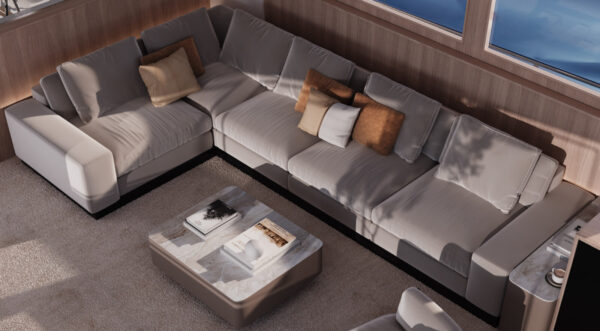
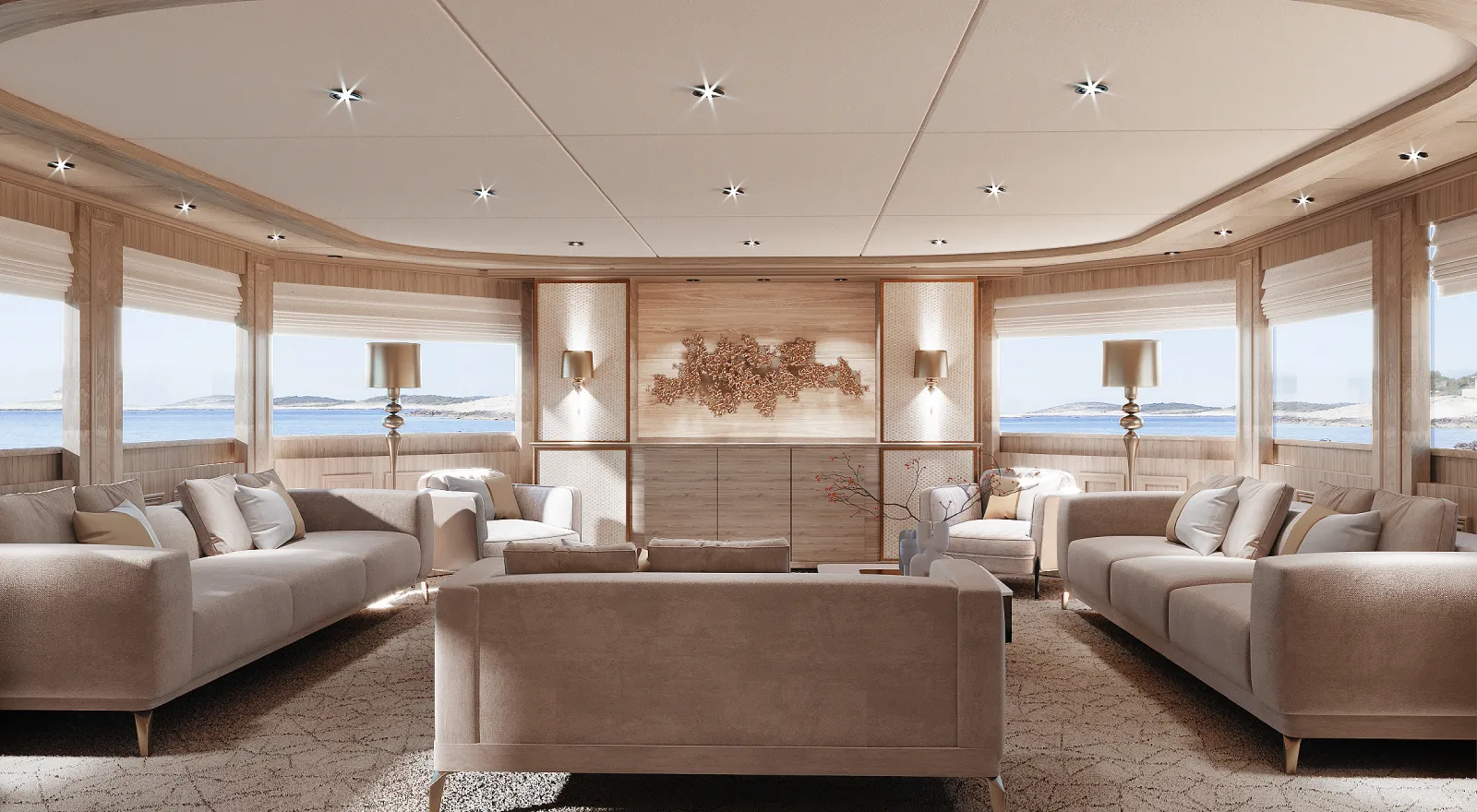
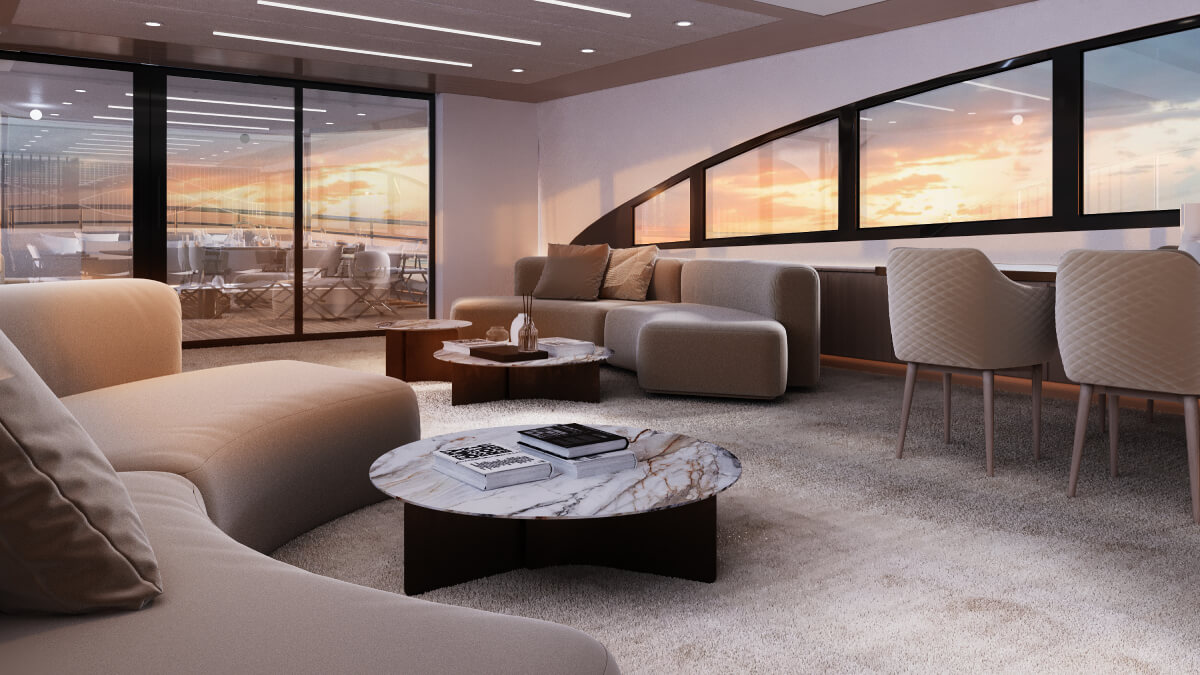
Picture this: morning light floods a yacht salon. Soft cashmere pillows glow gently in the early sun, Limoges plates are set for breakfast, and a deep-pile wool rug with padding underneath lets your feet sink in, giving you the same cozy comfort you felt in bed just moments ago.
That feeling doesn’t come from choosing the most expensive option on every line of the spec sheet. It’s born at the intersection of three forces: Style, Quality, and Budget. Miss one point of that triangle and the magic collapses. In this article, Yuliia Dobrohorska and I lift the curtain on how we keep the triangle balanced and why the subtleties you never see are exactly what you end up loving.
Designer’s View: Shaping Style that Speaks
What makes a space truly feel like it belongs to someone? For me, it’s not about following trends or chasing luxury labels; it’s about creating an interior that quietly reflects the owner’s rhythm, habits, and personal comfort.
Designing a yacht interior means balancing aesthetics with practicality, and individual taste with the realities of life at sea. It also means asking the right questions before making any decisions. Here are three guiding principles that shape our approach to meaningful and functional design.
1. Listen first, specify second
Good design doesn’t start with materials, it starts with listening.
In yacht interiors, the first step is understanding how the owners live on board. Where do they spend most of their time? What does a typical morning look like? Do they work in the salon? Host dinners? Prefer barefoot mornings on the aft deck?
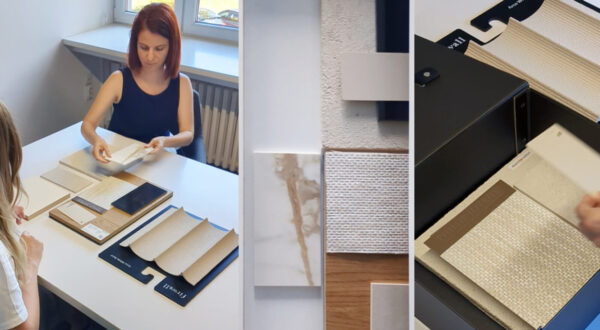
Once my Salt & Water team understands the rhythm of life on the yacht, we can begin to define the shapes, textures, and finishes that truly fit. The most luxurious fabric in the showroom might not make sense if it doesn’t align with how the space is used. Only after we listen do we begin to specify, not the other way around.
2. Context is queen
A material might look perfect at first glance, but if it can’t handle salt, humidity, or UV exposure, it may lose its form, color, or function in just one season. That’s why we evaluate materials not only by how they look, but also by how they behave in real-life onboard conditions.
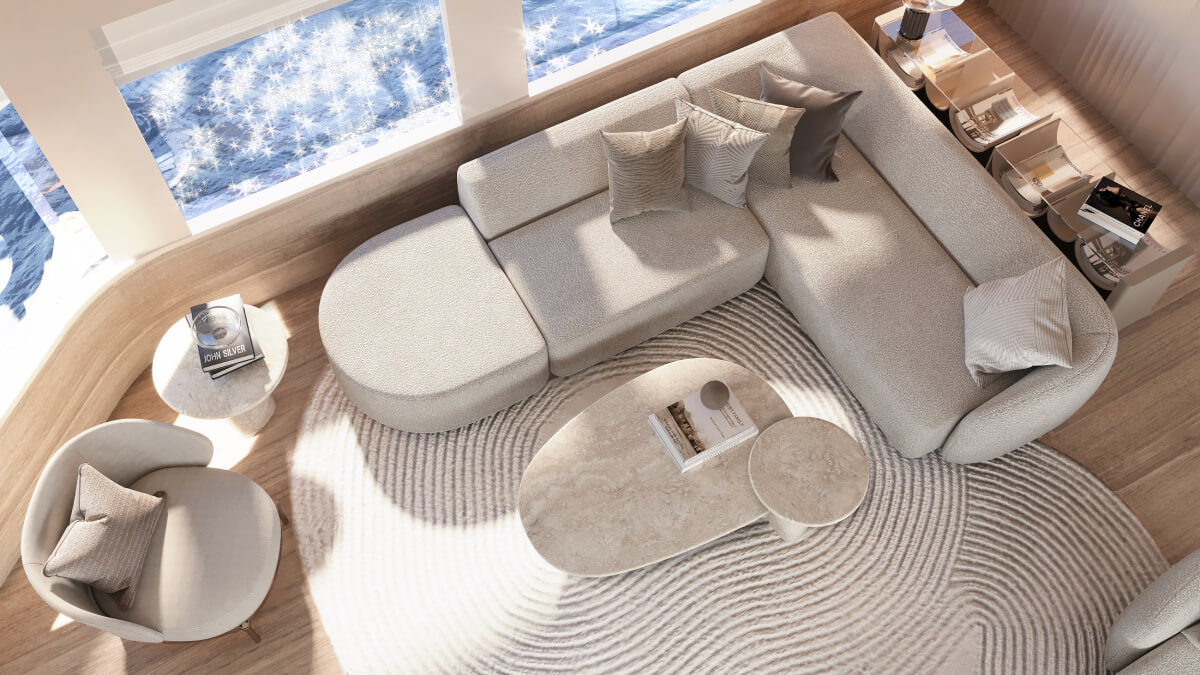
At Salt & Water, we work with a holistic interior design approach. That means we never design a cabin in isolation; it’s always part of a bigger composition. Bedding, cushions, throws, leather elements, and flower arrangements – all of these are chosen to support the concept and complete the story.
Style doesn’t stop at the render stage. It continues to evolve through all design layers, down to the texture of the towel and the stitching on a cushion. And that’s where collaboration becomes essential: interior designers and outfitting experts, like Yulilia, work side by side to ensure the concept stays coherent, right to the final detail.
3. Smart trade-offs
Not every element in a space serves the same purpose. Surfaces we touch every day, like armrests, cushions, and handles, must offer tactile comfort and durability. Others, like background panels or shelving, play a more visual role and can follow different rules.
That’s where smart trade-offs come in. First, we identify the visual accents, elements that carry the core idea of the concept and set the tone for the entire space. These may be surfaces that are used frequently or pieces that define the overall mood, and they deserve a greater share of the budget for both visual impact and long-term durability.
The supporting elements are equally well-considered, not chosen for show, but for harmony. They’re selected to complement the main features, to connect materials and shapes into a cohesive whole. Not every piece needs to stand out on its own; in well-designed interiors, the true luxury comes from how everything works together.
The designer’s role is to translate the client’s aesthetic and lifestyle into decisions that work in practice visually, technically, and financially. Because when all the elements work together, luxury becomes something you don’t have to explain. You just feel it.
Outfitting Expert’s View: Curating Quality You Can Feel
“It’s not about the brand, it’s about the style” is the rule I live by. Luxury linens are no different from couture: the hand behind each weave matters more than the logo on the hem. In yacht outfitting, my task is to translate comfort, quality, and visual harmony into tactile, lasting choices, always in sync with the interior designer’s vision.
Here are three principles that guide the way we work with clients and collaborators.
1. Understand what deserves the spotlight
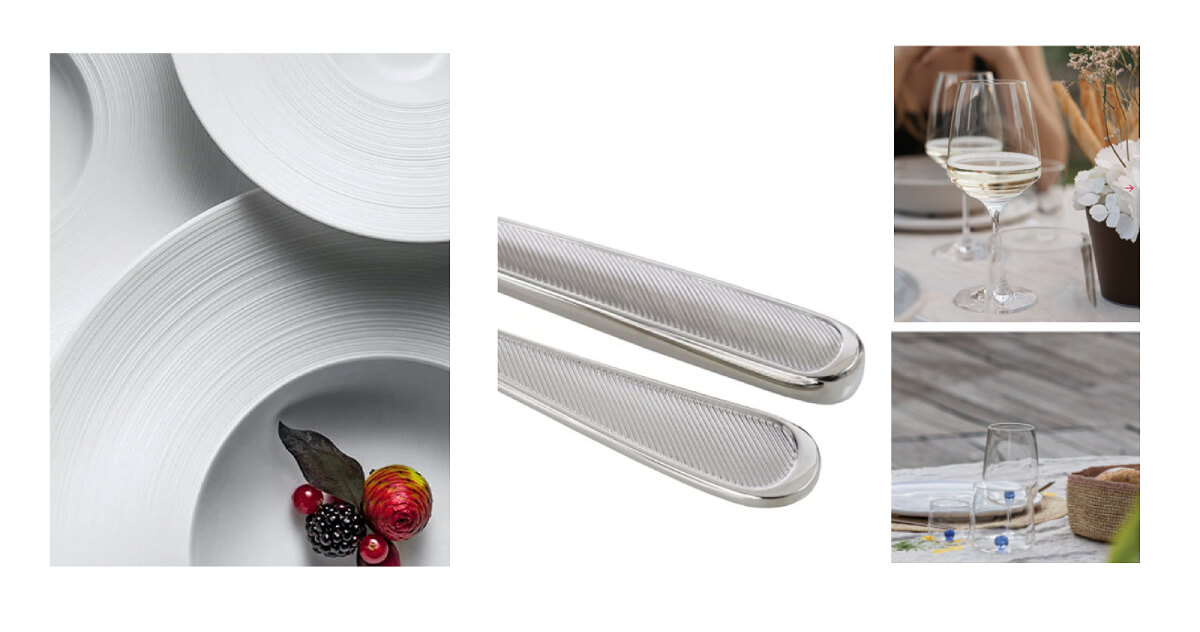
Not everything on board needs to be the most expensive, but some elements do need to shine. Our role is to help clients recognize where to focus attention. The dining table, for example, doesn’t need silver everywhere to look refined. A thoughtful combination of timeless porcelain, balanced glassware, and subtle accents often feels far more luxurious and more personal than an all-brand, high-cost setup.
Example: Picture a table with JL Coquet “Hémisphère” plates. Their gentle rings add a bit of texture. We add Christofle “Concorde” stainless-steel cutlery for a clean, modern line. For glasses, we choose Zafferano “Esperienze.” They look elegant but are strong enough for life at sea. The mix feels carefully chosen; smart, stylish, and ready for everyday use.
2. Prioritize what guests will feel
Outfitting isn’t just about visuals. Much like in interior design, the tactile experience matters especially when it comes to guest linens. Bed sheets, pillowcases, and towels: these are touched every day. Choosing the right cotton quality, density, and finishing ensures comfort and durability. Once the material is selected, we collaborate with the interior designer to match it with the chosen palette and mood of the cabin.
Example: Picture sliding into 600-thread-count cotton-sateen sheets, smooth and cool against your skin. Pillowcases are carefully finished with embroidery only along the edges, keeping the face area perfectly soft.
3. Adapt to the yacht’s journey and character
No two yachts or owners are the same. A yacht cruising the Norwegian fjords needs a completely different outfitting solution than one sailing around the Greek islands. From layering and weight to absorbency and drying time, everything is chosen with location and lifestyle in mind. That’s why we never apply a standard “collection”, we tailor it to fit the space, the climate, and the experience we want to create.
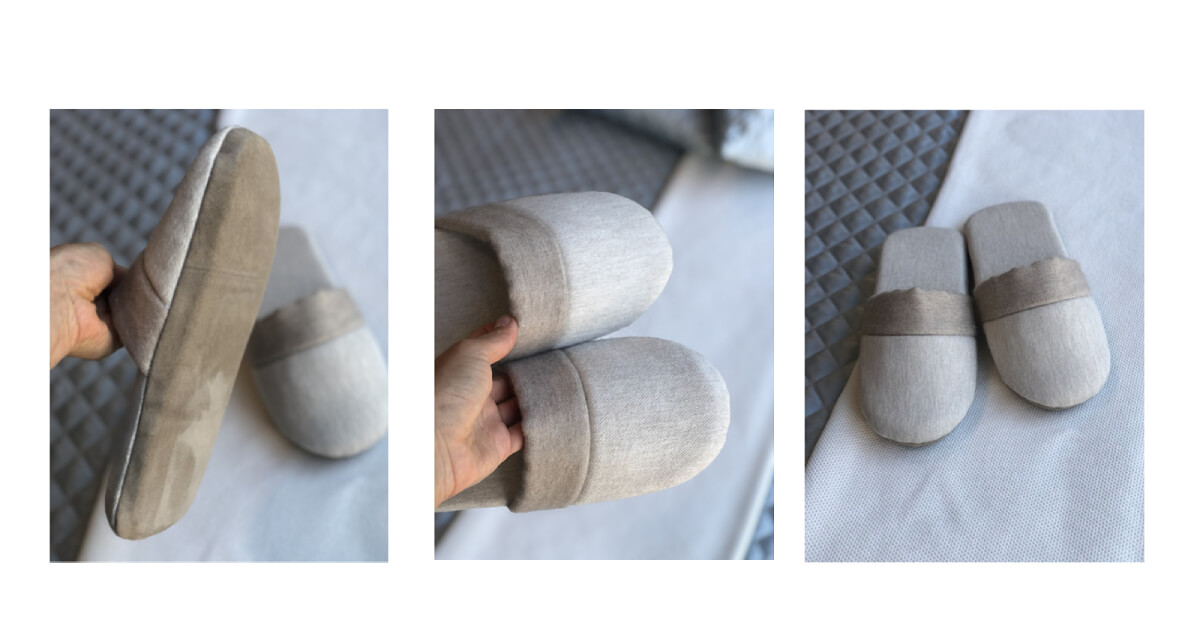
An expedition yacht bound for the polar regions outfits each cabin with cashmere-lined slippers, perfect for cozy mornings while you gaze at untouched, ice-covered landscapes outside.
And a few words about the budget..
A well-managed budget isn’t a limitation, it’s a design tool. It doesn’t restrict creativity, but rather gives it direction. Each decision has to earn its place: from the materials you touch every day to the details you barely notice, everything is there for a reason.
At the start of each project, we look at the balance between three key forces:
Style gives the space its personality.
Quality ensures comfort and longevity, long after the photos are taken.
Budget keeps both anchored in reality, so the client feels confident, not hesitant, when the final invoice arrives.
And when these three align, something quiet and powerful happens: people stop asking, “How much did it cost?” and start saying, “This feels like me.”
True luxury on board doesn’t just happen; it’s carefully built through a series of thoughtful, often invisible choices.
If you’re a broker, captain, project manager, or owner navigating a list of materials or outfitting decisions, take a moment to ask: Does this support style, quality, and budget all at once?
If the answer isn’t clear, we’re here to help.
Drop us a line, and we’ll walk you through the details until every piece feels right.