I wasn’t planning to visit Seville.
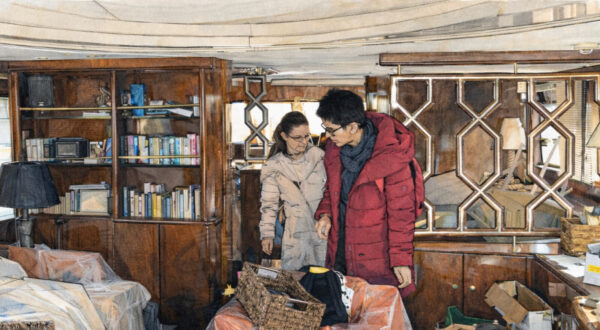
I was travelling to Cádiz to visit a cruise ship in dry dock, where Salt & Water has been involved in part of an interior refit project. But flight connections and schedules left me with an unexpected full day in Seville.
And what a gift that turned out to be!
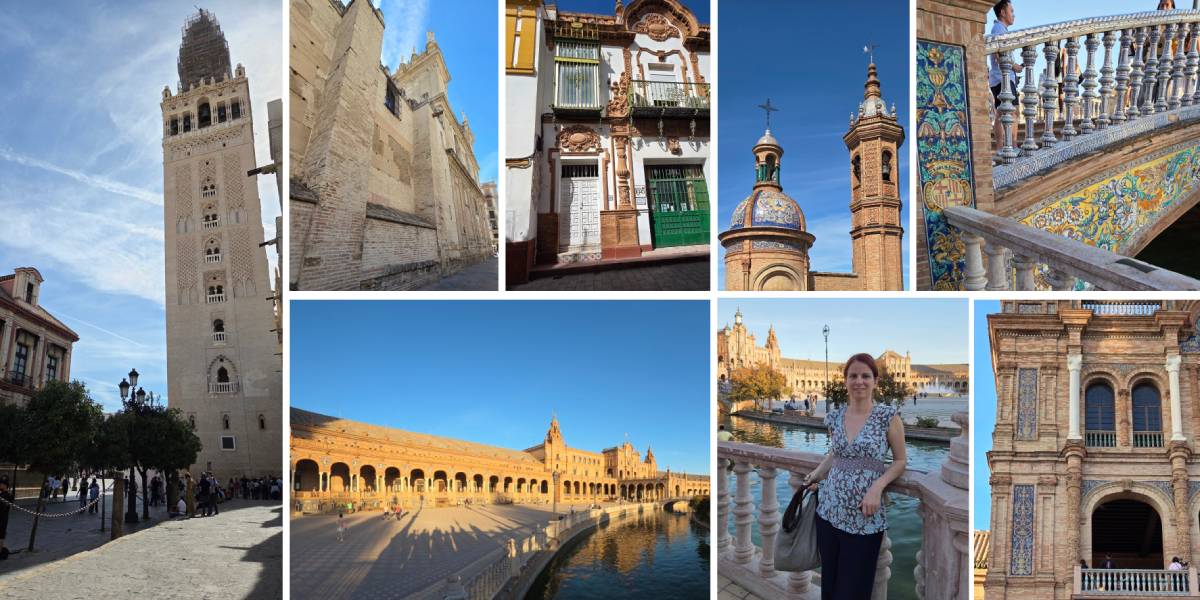
As an architect, I was fascinated by how this city has been built and transformed over centuries.
Different cultures and rulers left their mark, often building upon what was already there. The Giralda, once a mosque’s minaret, became the bell tower of Seville Cathedral. The Royal Alcázar was expanded and transformed over centuries.
And in 1929, Sevillian Regionalism brought those historical influences together into something new, combining traditional craftsmanship, materials and architectural styles.
Walking through Seville, I kept thinking about how something created across so many different periods could feel so complete.
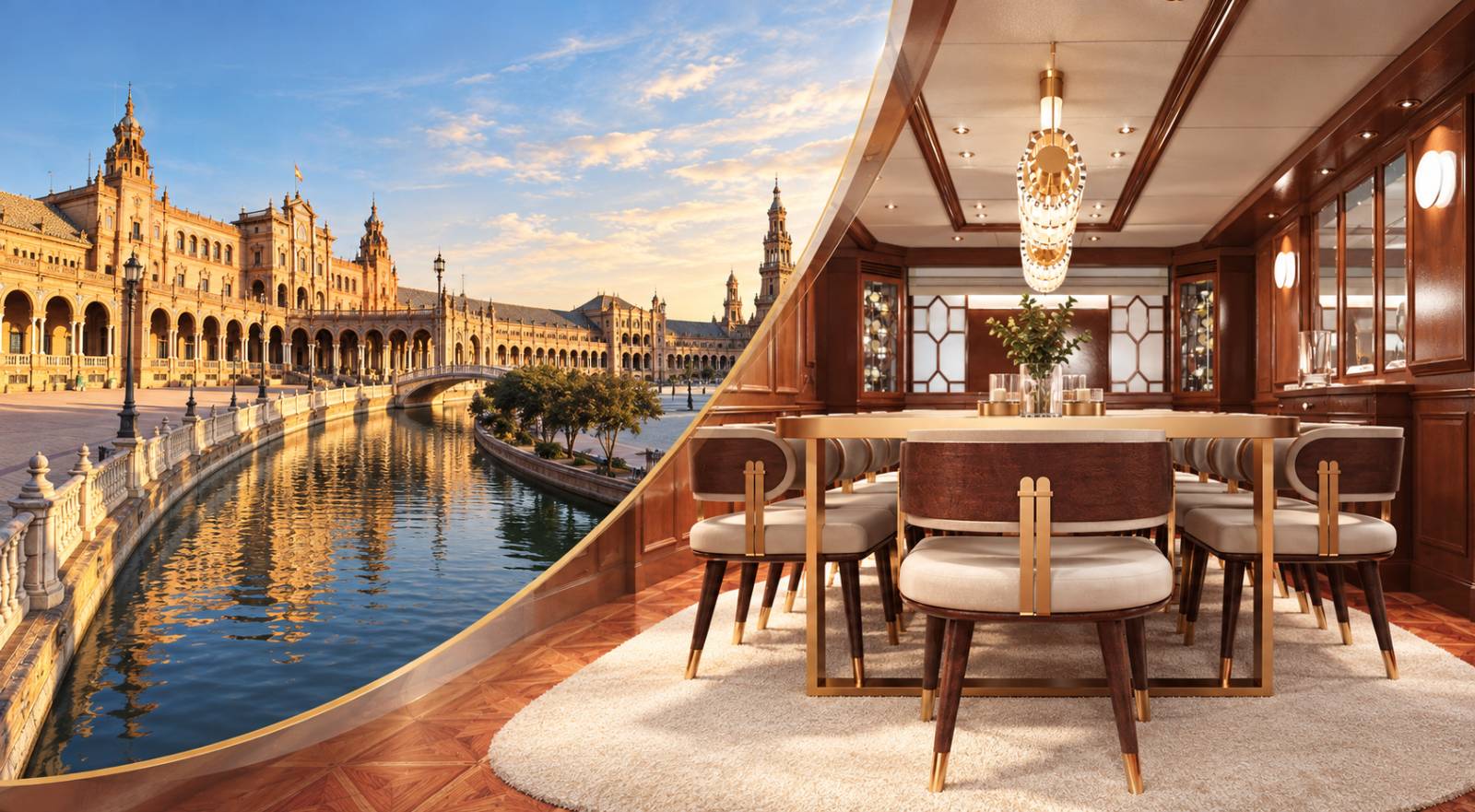
And then I realised: this is exactly what I love about yacht interior refits.
Why do we treat refits as second best?
In yacht design, refits are sometimes seen as a compromise. As if a completely new interior were automatically more valuable than one that has been renovated.
I see it differently.
When we start an interior refit at Salt & Water, we don’t begin by asking what we can remove.
We look at what deserves to stay.
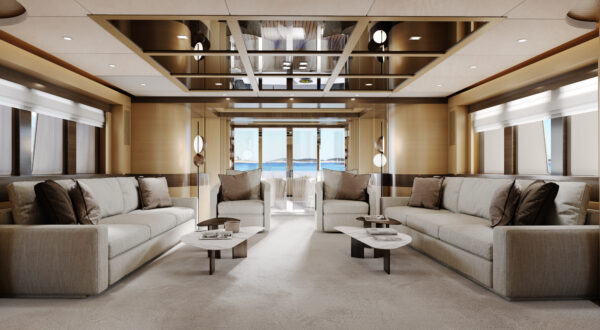
During one of our yacht refits, we decided to preserve the original solid woodwork from the 1990s. More than 30 years later, it looked almost new. The quality of the craftsmanship was extraordinary. Why would we replace something like that?
Beautifully crafted solid wood, carefully made details, exceptional joinery, materials and finishes that would be difficult, sometimes almost impossible, to reproduce today.
These elements give an interior its character. Why would we want to lose them?
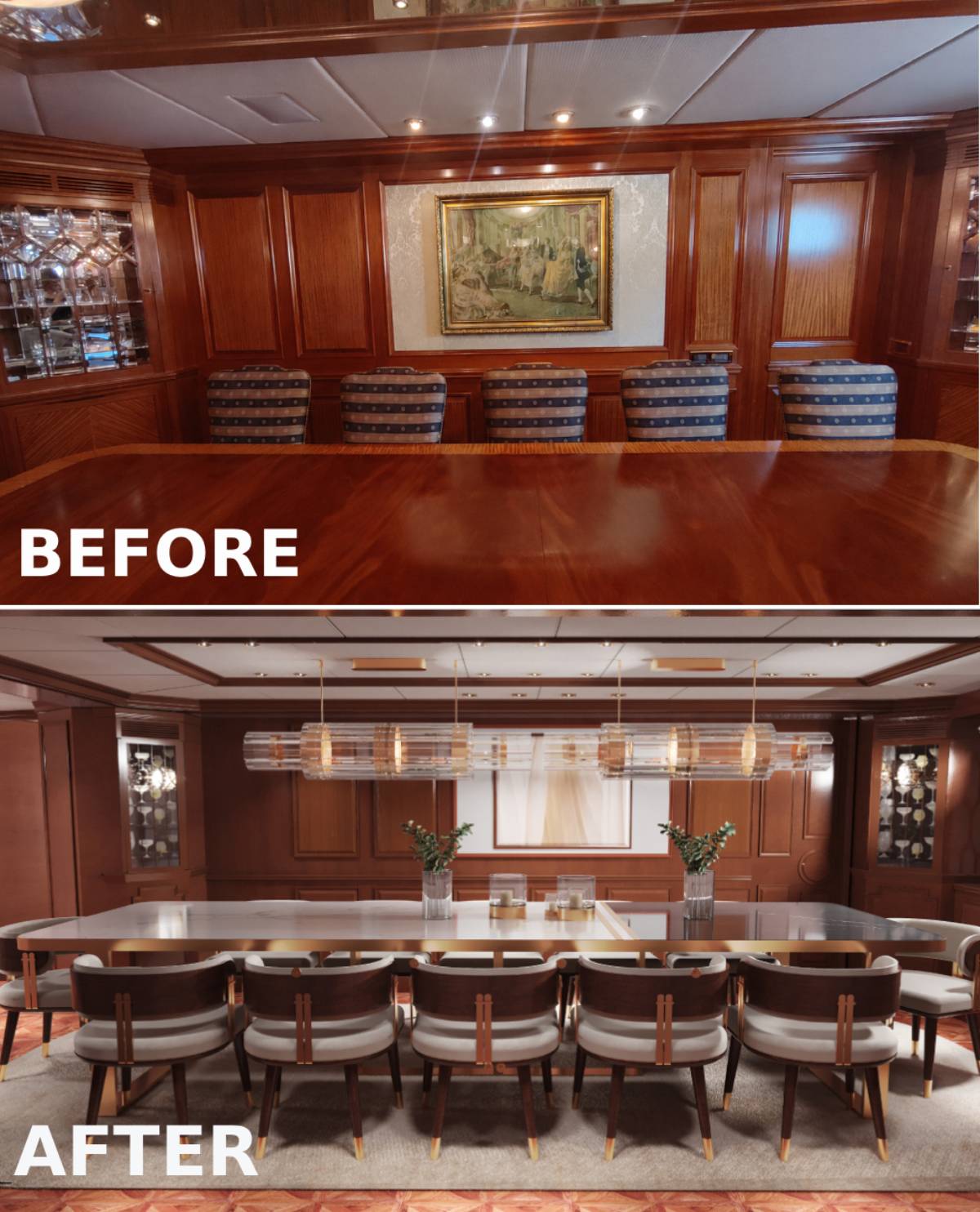
Instead, we work with what is already there, keeping what has real value and introducing new elements that reflect the current owner’s needs, taste and lifestyle.
And this is where things get interesting.
The result isn’t a copy of whatever is currently fashionable in yacht interiors. It’s a combination of craftsmanship from different periods, old and new materials, and a fresh design approach.
Something that couldn’t have been created in quite the same way from scratch.
I believe these interiors deserve more recognition, not less.
Of course, not everything old is worth keeping. Knowing what to preserve, what to change and how to bring it all together is precisely where good design comes in.
Perhaps that’s why I’m particularly looking forward to The Future of Refit, a new event dedicated entirely to superyacht refits, taking place in Monaco next spring.
I’m curious to see how our industry will approach this growing part of yacht design, and whether we will start giving thoughtfully refitted interiors the recognition they deserve.
And I’m curious about your perspective, too.
When looking at an older yacht interior, do you see its limitations first, or its potential?