When an interior renovation is being planned, the conversation often starts with the wrong question. From the beginning, the focus moves to what should be removed, replaced, or redesigned.
For many interior renovation projects, that is not the most useful starting point. A much better way to begin is with this question: What should stay?
Because the quality of a renovated interior does not depend on how many elements were replaced. It depends on whether the space works better after the refit, whether it feels aligned with the new owner, and whether the parts that already had value were preserved.
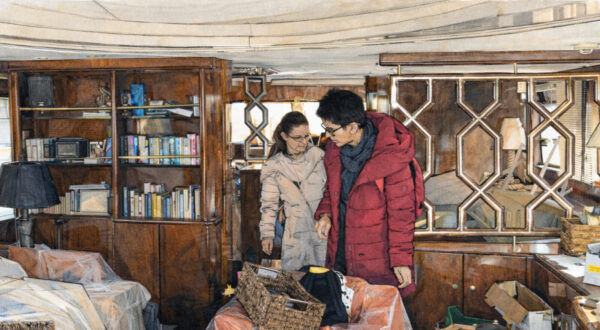
Not everything in an interior needs to disappear automatically. Some elements are exceptionally well made. Some support the space very well. Others carry part of the yacht’s identity.
That last point is often underestimated. A refit should not turn a yacht into a generic luxury interior that could belong anywhere. It should improve life on board, make the interior more contemporary, more comfortable, and better suited to the new owner, without erasing the character the yacht already has.
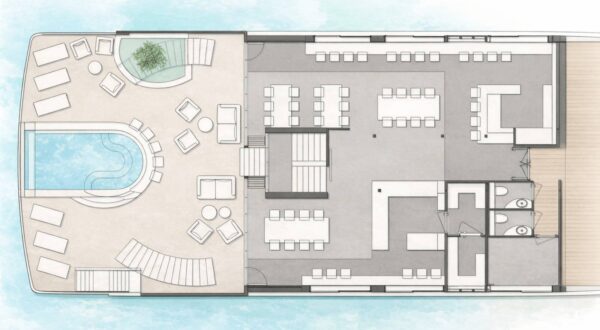
This is exactly what we are working on now in the interior renovation of a 42-metre yacht. The yacht has new owners, is going through a serious refit, and is being prepared for a new charter season. So our starting point was not a list of elements to replace, but an evaluation of what in the interior was still worth keeping, whether because of quality, function, or the character of the space. Only after that did we define with the owners what no longer worked for them and which changes could bring the clearest result in the most efficient way.
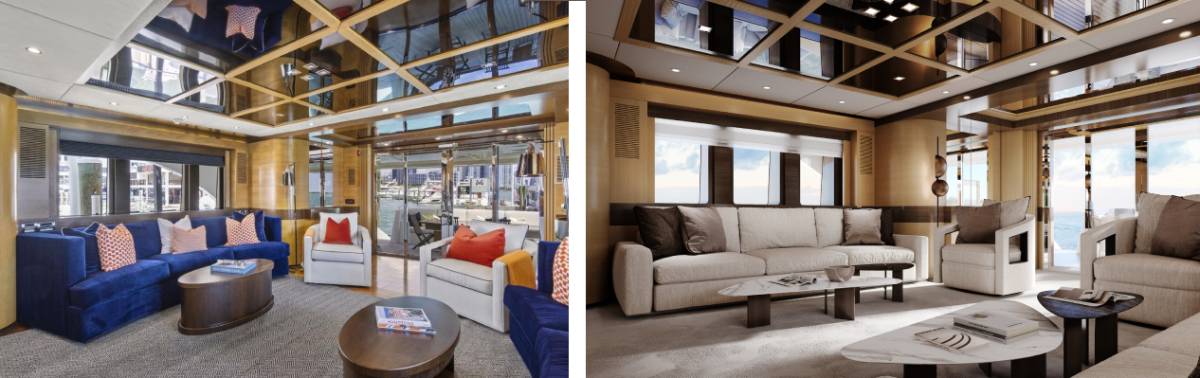
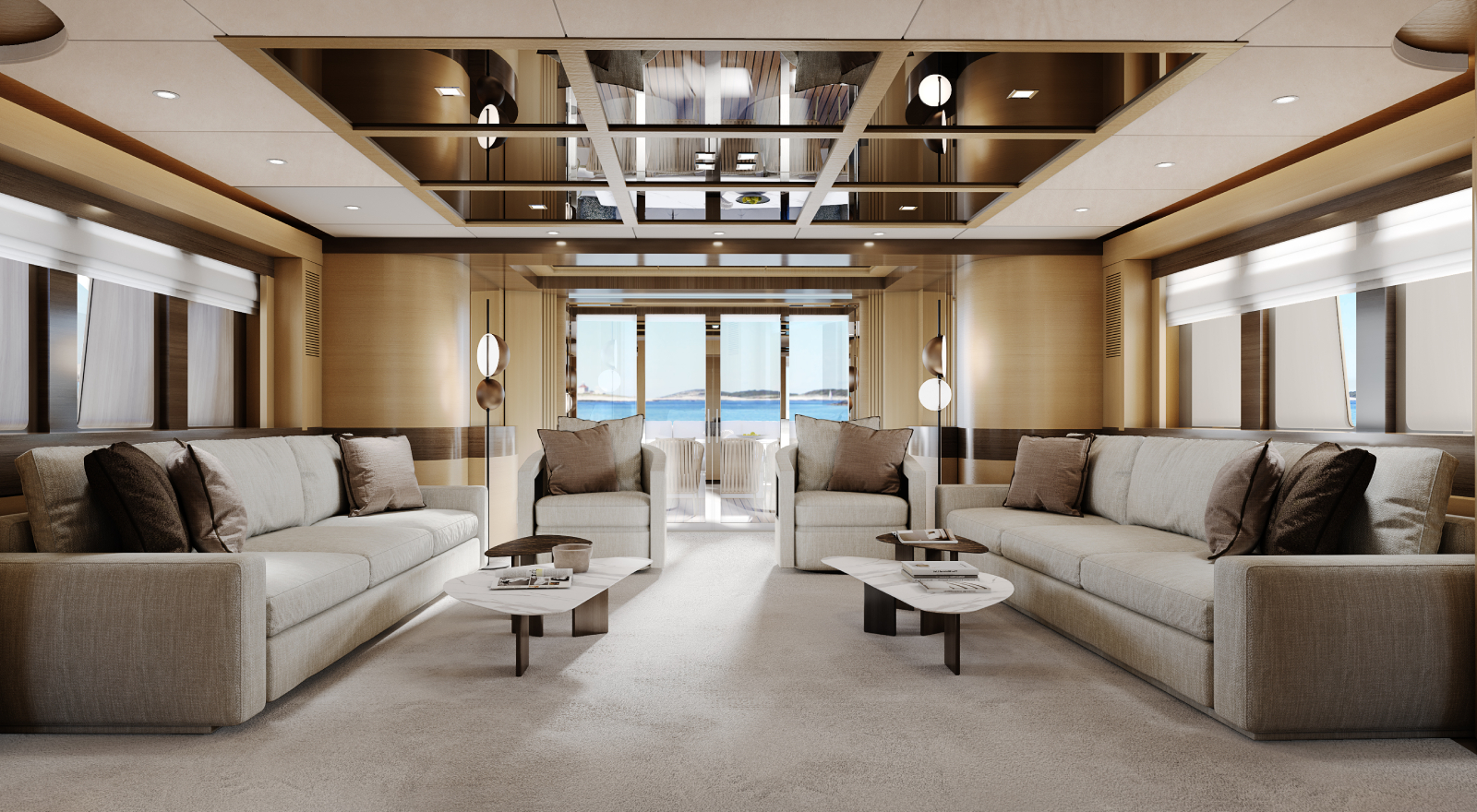
In the main deck salon, for example, it was clear that the existing sofas should be replaced. The problem was not only aesthetic. Their shape and position were limiting the way the salon could function. They made movement through the space more difficult and reduced access to the panels behind them, which still need to remain reachable. With the new solution, we achieved a clearer visual direction, better circulation, and additional storage under the seating.
At the same time, there was no reason to replace everything. Two armchairs with an interesting design stayed in the space and were refreshed with new upholstery. Not because they could “still be used for a bit longer,” but because they still have character and can continue to work within the new concept. The coffee tables, on the other hand, are being replaced with a new solution. This is exactly where the difference between a superficial and a thoughtful refit becomes visible: not in replacing everything, but in replacing what truly needs to be replaced.
We have seen the same logic on other projects as well. Sometimes these are high-quality wood finishes that are still in excellent condition, so there is no reason to remove them only because the space needs refreshing. Sometimes it is part of the layout that already works well and does not need to change just to make the interior feel “newer.” Sometimes it is one piece of furniture or one detail that carries the space’s continuity and helps the yacht keep its identity even after the renovation.
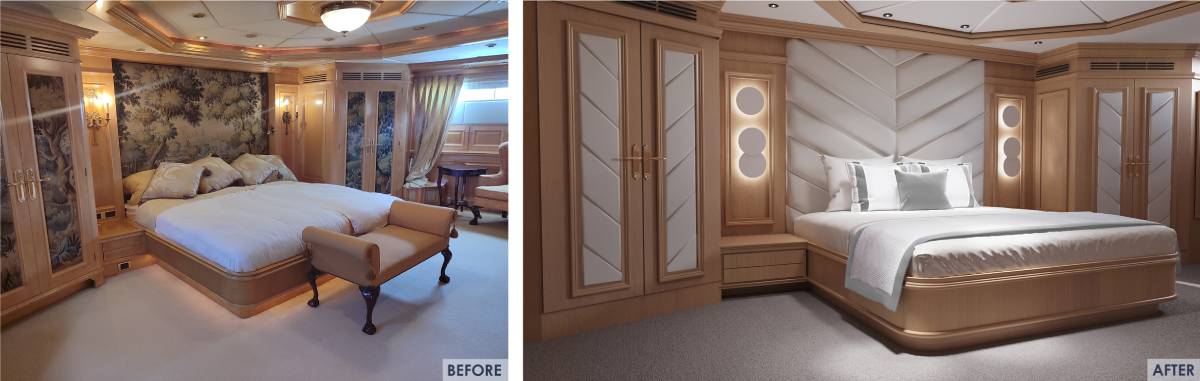
For owners, captains, and everyone involved in a refit, this way of thinking matters for one simple reason: it helps clearly separate what is truly outdated or problematic from what still has value. This usually leads to better decisions, a more focused budget, fewer unnecessary interventions, and a stronger final result.
A yacht interior does not become better because more things were changed. It becomes better when the right things were changed, and the right things stayed.
That is why one of the most important questions in any yacht interior renovation is not only what you want to change, but also what is still worth keeping.